Keeping an eye on your blood pressure: Know your readings and take the right action

120 over 80, 140 over 90, x over y – these numbers immediately bring blood pressure to mind. But what do these readings actually mean? When are they considered normal, and when do healthcare professionals refer to high blood pressure? One thing is certain: it is worth knowing your own readings. Although high blood pressure often causes no symptoms for a long time, it can put a strain on the heart, blood vessels and kidneys over time.1 The good news is that you can easily measure your blood pressure at home and check it regularly. This helps you identify changes early and discuss them with a doctor if necessary.

Measuring blood pressure at home – the more regularly, the better

Blood pressure is not a fixed value; it fluctuates naturally. It changes throughout the day and is influenced by factors such as physical activity, stress and emotional strain. While blood pressure readings usually rise in these situations, they generally fall again during periods of rest. A single reading therefore tells you relatively little. Only repeated measurements can show whether your blood pressure is consistently too high or too low. Frequently elevated readings require particular attention, as they can increase the risk of heart attack and stroke, among other conditions.1 In women in particular, elevated blood pressure often occurs during menopause and, in some cases, during pregnancy. Find out more in our article “High blood pressure in women”.

What do blood pressure readings mean? Systolic and diastolic blood pressure

Two numbers are essential for understanding your individual blood pressure. The first, or “upper”, number represents systolic blood pressure: the pressure in the blood vessels when the heart contracts and pumps blood around the body. The second, or “lower”, number represents diastolic blood pressure and is measured when the heart muscle relaxes between two heartbeats. Both readings are important when assessing blood pressure.

Understanding blood pressure readings: What is normal, and when should you take action?

A blood pressure of 120 over 80 mmHg (millimetres of mercury) is generally considered a good benchmark. The German Hypertension League classifies readings of 120–129/80–84 as normal and readings of 130–139/85–89 as high-normal. However, where the measurement is taken also plays an important role: many people have higher blood pressure readings at a doctor’s surgery than at home. This phenomenon is known as white-coat hypertension and may be caused, for example, by nervousness or tension during a visit to the doctor.2 Doctors therefore only diagnose hypertension, or high blood pressure, when repeated measurements show a blood pressure of 140 over 90 or above. Important: if measurements at a doctor’s surgery repeatedly show a lower reading of 90 or above, further medical assessment is needed even if the upper reading remains below 140. Slightly different values apply to people measuring their blood pressure at home: an average of 135 over 85 or above over seven days of measurements is considered elevated and should be assessed by a doctor.3

Blood pressure table: The key readings at a glance

The following table provides a clear overview of the most important reference values and thresholds for blood pressure:

Classification Systolic reading Diastolic reading
High blood pressure Above 140 mmHg and/or Above 90 mmHg
High-normal 130 – 139 mmHg and/or 85 – 89 mmHg
Normal 120 – 129 mmHg and/or 80 – 84 mmHg
Low blood pressure (hypotension) Up to 89 mmHg and/or Up to 59 mmHg

Measuring your own blood pressure: How to do it correctly

To find out reliably whether your blood pressure readings are within the normal range or elevated, take measurements at home under conditions that are as consistent as possible. As a general rule, avoid exercise, eating, drinking coffee or smoking for half an hour before measuring, as these could affect your readings. Ideally, begin the measurement after resting for five minutes. Sit comfortably, do not talk during the measurement and support your arm so that the cuff is at heart level. Ideally, always measure at the same times in the morning and evening.4 What matters is the average of the readings over seven consecutive days.5 You can find further tips and useful information in our article “The 10 golden rules of blood pressure measurement”.

Keep track of your readings: Start today

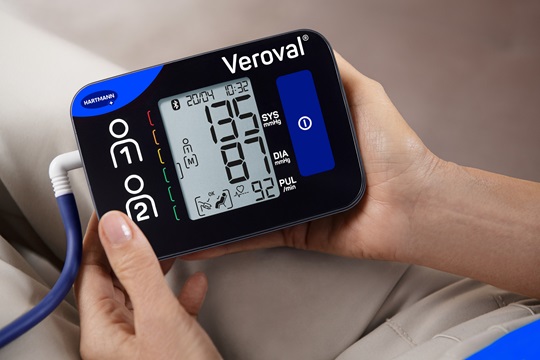
Veroval compact upper arm blood pressure monitor
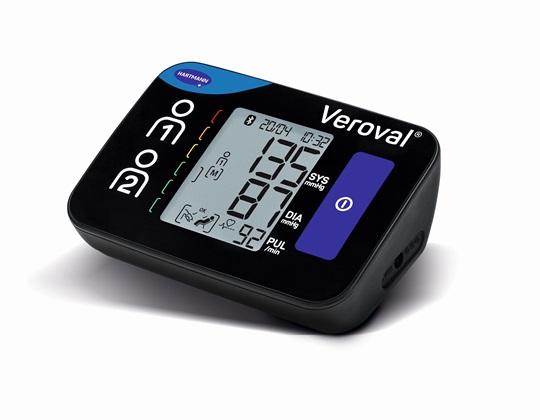
Veroval® compact + upper arm blood pressure monitor
Checking your blood pressure regularly and identifying changes early can help you better understand developments in your health. Modern blood pressure monitors from Veroval® help you track your blood pressure readings over time and maintain an overview.