Hygiene tips
Hygiene in different cultures

Learn more

From limited virucidal to sporicidal – disinfectants are available for all different efficacy spectra. What are these? Do I need a different disinfectant depending on the situation? How do I find the right product? We explain the different efficacy spectra and what this means for both the healthcare sector and the private sphere.

One of the most important criteria for classifying a disinfectant is the type of pathogen it is intended to combat. No product effectively eliminates all conceivable germs – from spores to bacteria [1]. The renowned Robert Koch Institute (RKI) in Germany has therefore developed the following categories of disinfectants [2]:
A: Disinfectants suitable for killing vegetative bacteria, including mycobacteria, and fungi, including fungal spores.
B: Disinfectants suitable for inactivating viruses.
C: Disinfectants suitable for killing spores of the anthrax-causing pathogen.
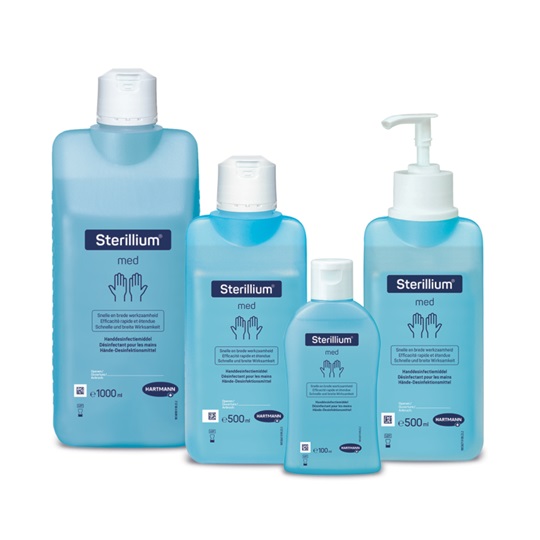
In other words, we distinguish between disinfectants that primarily combat fungi, bacteria, viruses, or other pathogens. Within these superordinate categories, however, we make further distinctions, which brings us to the spectrum of efficacy found on the labels of disinfectants such as Sterillium®.
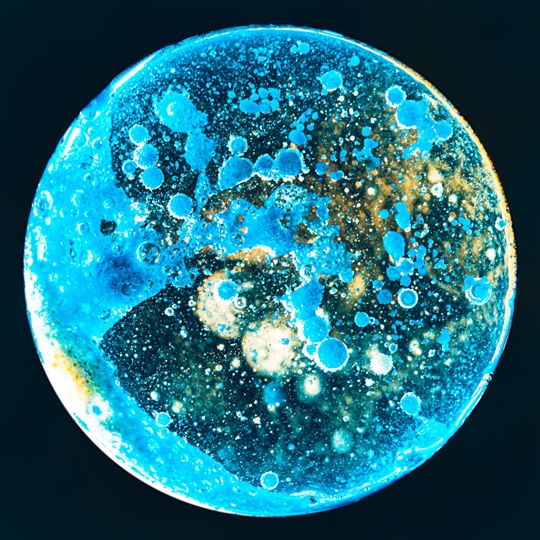

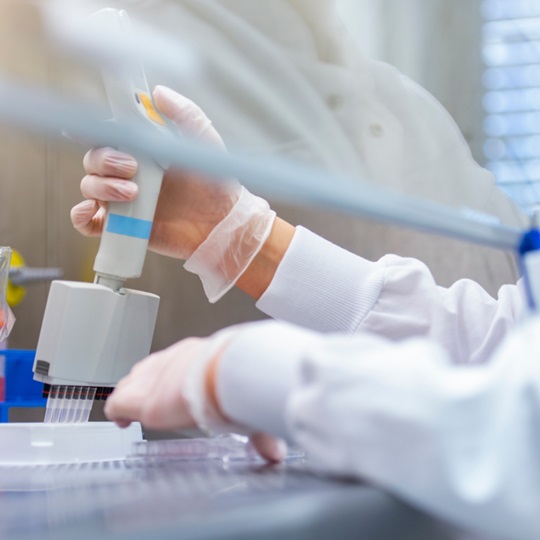
With all the different efficacy spectra, it is not easy for a layperson to know which product is best for their own requirements. If you only use disinfectants for private purposes – for example to disinfect your hands after a bus ride – a classic, alcohol-based disinfectant such as Sterillium® is a good choice. It comprehensively protects you against bacteria, yeasts, and enveloped viruses and thus arms you against most pathogens found in everyday life. Since Sterillium® also provides the label "limited spectrum virucidal activity", you also have effective protection against noroviruses.
When choosing the right disinfectant, it is always good to know which pathogen you are dealing with. This is especially true in the health sector. When hospital or nursing home employees know which viruses or bacteria their patients are confronted with, they can better target infections. This means they don’t have to use disinfectants with the broadest spectrum of efficiency. In this way, outbreaks within clinics, hospitals and nursing homes can be better prevented overall [4].

Besides the type of pathogen, other subjective factors also play a role in the choice of disinfectant. Those who value an odourless product can choose Sterillium® classic pure – the fragrance-free version of Sterillium®. The type of active ingredient can also influence the choice. For some people, for example, a propanol-based product like Sterillium® feels better on the hands. Others, however, prefer an ethanol-based disinfectant like Sterillium® med.
But no matter what your preferences are, the Sterillium® product family provides the right disinfectant for everyone. You can find a good overview of the different Sterillium® products here.