Covid-19
Why hand hygiene remains important

Learn more

During surgical procedures a working environment that is as germ-free as possible is crucial for preventing postoperative infections. For decades, surgeons,doctors, and nurses have scrubbed with antimicrobial soap and water before procedures – often several times a day. The downside of washing hands so often, however, is that it takes a lot of time, wastes water, and often leads to skin irritation and inflammation among hospital staff. A far better method is surgical hand disinfection with alcohol-based hand disinfectants. Using this technique, staff only wash their hands at the beginning of the surgical day or when their hands are visibly soiled. In this article we explain why disinfection is superior to hand washing.

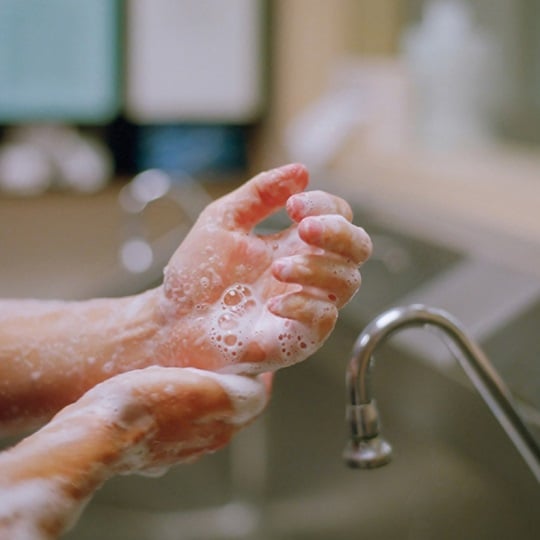
When we think of doctors preparing for surgery, our first image is usually of surgeons and nurses meticulously soaping their hands and forearms for minutes on end and then intensively "scrubbing" them. This is the so-called "scrub" method, which usually uses chlorhexidine-based antimicrobial soaps. On average, this procedure takes 5-6 minutes.
With the "rub" method, surgeons, doctors, and nurses no longer wash their hands for minutes in preparation of each procedure but disinfect them with alcohol-based hand disinfectants. In this scenario, medical personnel only wash their hands at the start of the working day or when the hands are visibly soiled. Before any actual procedures, staff take the following steps to disinfect their hands and arms.
Compared to antimicrobial hand washing, alcohol-based disinfection before operations offers several benefits to staff as well as facilities. Let's look at them