
Hygiene tips
Stay well protected during flu season with Sterillium®

Learn more


Handwashing is and remains one of the most important means of breaking chains of infection. However, washing them too often can also dry them out. Check the following overview of the most important situations to wash your hands:
It’s best to wash your hands after:
It’s best to wash your hands before:
It’s best to wash your hands both before and after:

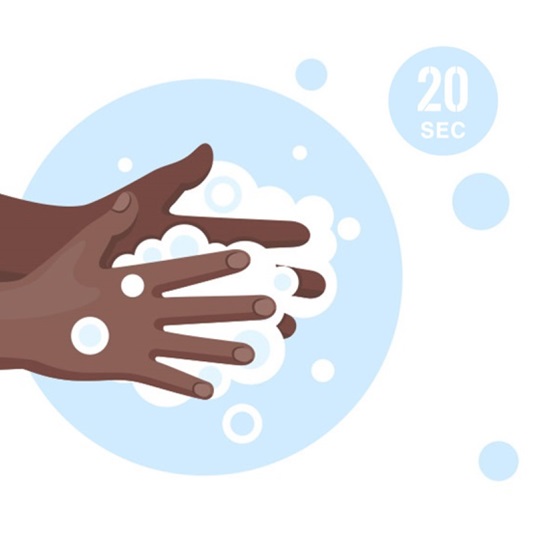
How you wash your hands is also crucial. Here, we summarize the most important handwashing steps:
Some situations may only require washing your hands. Others may require disinfecting them. In many situations at home or with friends, for example, washing is quite sufficient.
However, disinfecting your hands makes sense if you encounter sick people, care for relatives, or if your immune system is weakened. It also helps to disinfect your hands in public places such as the subway or the supermarket. This is even more important if you don't have an option to wash your hands. During a flu epidemic or pandemic, it may also be better to disinfect your hands more frequently.
The best way to do this is to use a hand disinfectant, whether in liquid, gel or wipe form, which, in addition to being effective, also contains skin care components, such as Sterillium® Gel.
Disinfect your hands correctly
However, hand disinfection also requires correct application. You should consider the following things:
Good to know: Hand hygiene includes not only hand disinfection, hand washing and care, but also the use of examination gloves, if necessary. This applies primarily to professional staff, but can also be relevant for family caregivers.
Only intact skin can be fully disinfected. Thus, make sure to lubricate your hands because this gives them back what soap or disinfectants without care components has removed – primarily fat. (8)


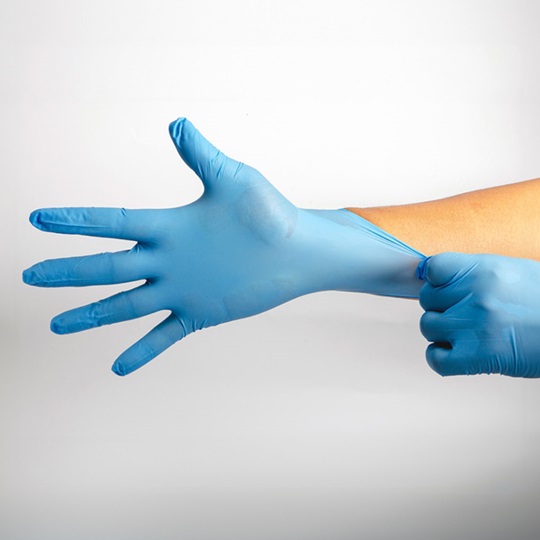
In the health care sector, examination gloves are part of the daily routine of medical professionals in many situations – be it when taking blood samples or treating wounds. But wearing gloves is also important for people who care for others at home, whenever there is a risk of becoming infected or transmitting pathogens to others. Therefore, examination gloves also belong to the elements of hand hygiene.
However, if you have to wear gloves frequently, you should consider a few things to avoid putting your own skin under unnecessary strain. If you want to protect your hands, you should:
And a small tip at the end: even with gloves on, pathogens can be spread. So, as long as you are wearing them, you should touch as little as possible to avoid unnecessarily contaminating surfaces with viruses or bacteria.


