

Hand hygiene and the difference between hand washing and hand disinfection
1. Hand Washing: Purpose and Application
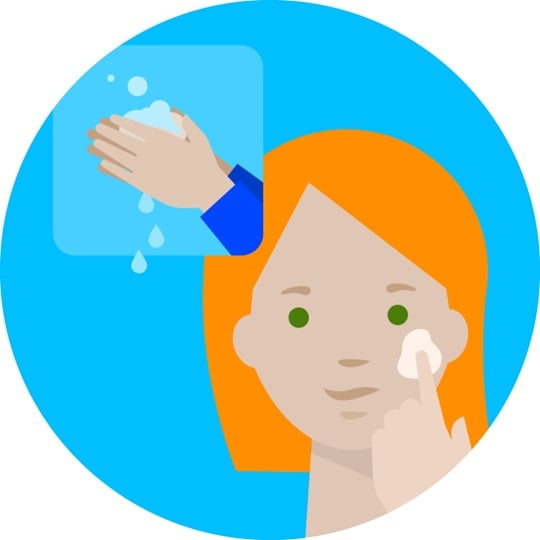
Hand washing is an important step to remove visible dirt and impurities from the hands. In most situations, it is sufficient to remove coarse contamination and ensure adequate hand hygiene.
Purpose of hand washing
The main goal is to remove visible dirt, dust, and impurities from the skin. However, washing does not kill all microorganisms and is therefore not always enough to remove disease-causing pathogens.

Wash your hands especially:
- After using the toilet - to remove potentially harmful germs.
- Before eating or preparing food - to prevent the transfer of pathogens to food.
- After blowing your nose - to reduce the risk of spreading viruses and bacteria to surfaces or into your own body.
- Before facial care - to avoid introducing germs to sensitive skin or eyes.
- After arriving home - to prevent bringing germs from outside into your household.
2. Hand Disinfection: Purpose and Application
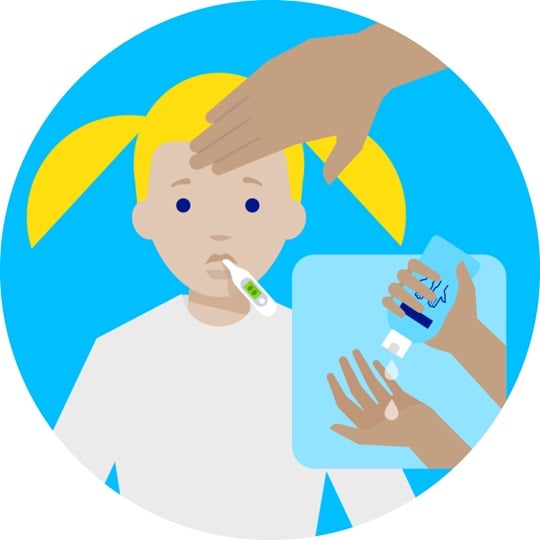
Hand disinfection is necessary to eliminate harmful microorganisms that can cause infections. It is especially important when there is contact with potentially dangerous microbes.
Purpose of hand disinfection
Hand disinfectants are formulated to kill microorganisms such as viruses and bacteria. They provide a more effective way to eliminate germs than hand washing alone, especially when there is no visible dirt.
Five moments of hand disinfection in everyday life:
- When you or family members have a cold.
- Before caring for relatives or friends with weakened immune systems.
- Before coming into contact with people at high risk of infection.
- When no clean water is available for hand washing.
- After touching a potentially sick animal.
Sterillium® products with caring properties
Always read the label and product information before use.