Spotlight: From Management to Healing with Wound Balance 

Read the interview with Dr. Laura Swoboda about her award winning approach “Wound Balance”.

Spotlight Wound Care

We understand that behind every product we offer, there's a story of trust, reliability, and impact. These are stories of healthcare professionals who rely on our products every day, stories of patients whose lives have been positively impacted, and narratives of communities that have found a stronger sense of security through our services.

With Spotlight Wound Care, we are introducing a new format that is dedicated to bringing these stories to the forefront.

Beyond Wound Management – interview with Dr. Laura Swoboda

Dr. Laura Swoboda talks about her award winning approach. As a leading practitioner of “wound balance,” Dr. Laura Swoboda is a professor of Health Sciences, Family Nurse Practitioner, and certified wound specialist in the Milwaukee metro area, Wisconsin.

What is “wound balance”?

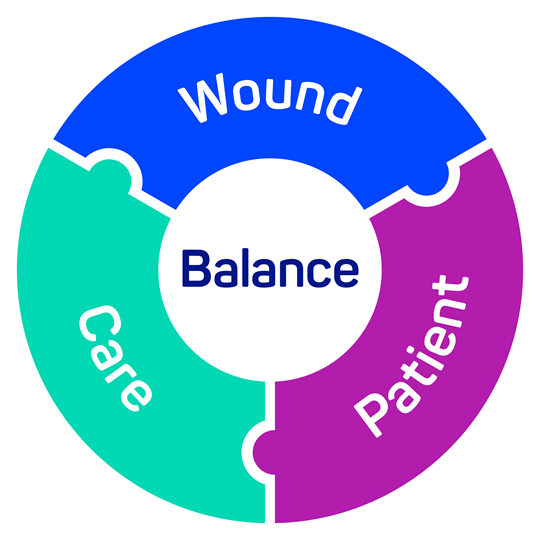
With wound balance we look at the wound microenvironment, together with patient and societal factors, to see how we can balance those to achieve better outcomes for our patients. It's about healing wounds, rather than just managing them. We want to transform the healing process for peo­ple. I also believe it saves time and uses resources more efficiently, which allows us to treat more patients.

How can wound balance help?

Some wounds just won’t seem to heal, and we know that the longer a wound has been around, the harder it is to heal. So, early intervention with wound balance is critical, looking at the bigger pic­ture to make a holistic assessment, to see what is really going on. As we sometimes say: “It's not just the hole in the patient, it's the whole patient.”

What do you mean when you say “the whole patient”?

A key strategy includes the identification and mitigation of factors associated with delayed wound healing, such as nutritional deficiencies, comorbid disease control, social determinants of health, and lifestyle. Wound care is a team sport. It’s about talking to the people who are spending more time with the patient – and of course the patients themselves.

How do SAP-containing dressings help with wound balance?

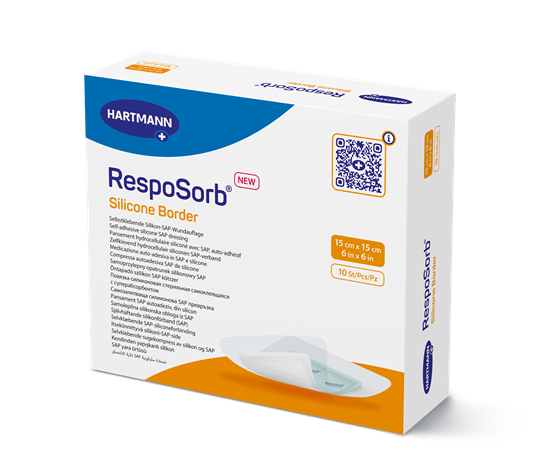
The key thing to keep in mind is undisturbed wound healing and maximizing the time between dressing changes: providing less opening for bacterial transmission. Also, it's painful to change the dressing, so stretching that out with a SAP-containing dressing, such as Zetuvit® Plus Silicone Border (RespoSorb® Silicone Border), is really important.
What difference does it make for
your patients?

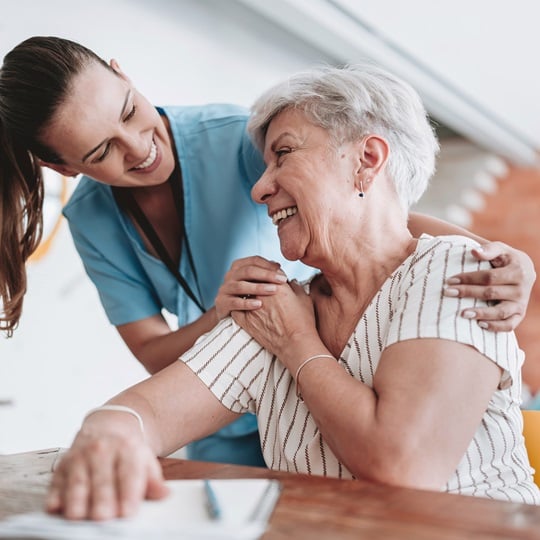
Having a wound is a hassle. People worry about it, if it’s getting worse, getting infected. It hurts. So, by helping them heal up fast, they’re less stressed about their wound and they’re in less pain. Quite simply, they have a better quality of life.

Balancing the Wound Microenvironment in Action: case studies

Case one: diabetic foot ulcer
Case vignette
47-year-old male with uncontrolled type 2 diabetes, with right foot ulcer, which had been present for at least one month.

Proactive factors addressed
• Inflammation
• Biofilm
• Comorbid disease control
• Lifestyle (offloading)
• Antimicrobial collagen with antibiofilm elements
• Silicone SAP dressings
• CGM (continuous glucose monitoring) + empagliflozin
• Diet and lifestyle modification

Wound and lifestyle management
“With this patient, we had the whole picture in balance,” says Dr. Swoboda. “We didn’t just focus on wound dressings but also on managing his comorbidities and lifestyle. The patient had a wildly uncontrolled blood glucose level. So, a continuous glucose monitor gave him more control over his own healthcare, by enabling him to see in real time what food was doing. He also learned some new recipes that were not going to skyrocket his blood glucose levels. This helped him go on to complete wound closure in just 11 weeks.”

Healing progress
Wound balance of local and systemic inhibitors of wound healing was achieved, as evidenced by wound tissue viability and epithelialization. Moisture management of inflammatory drainage, including proteases and cytokines, was consistently addressed utilizing silicone SAP dressings, with additional inflammation management utilizing collagen with antibiofilm elements as needed.

Week 0Week 2Week 4Week 6
LxWxD4x3x0.2 cm3x4x0.2 cm1.9x1x0.1 cm1x0.5x0.1 dm
Sq cm12121.90.5
% healed-084%96%

Case two: dehisced abdominal incisision
Case vignette
47-year-old female with past medical history of tobacco use, seen for dehisced abdominal incision s/p perforated sigmoid colon, small bowel resection, Hartmann's procedure.

Proactive factors addressed
• Inflammation
• Biofilm
• Edge/tension support
• Lifestyle: protein, vitamin D intake, tobacco usage
• Transitioned to antimicrobial collagen with antibiofilm elements after NPWT
• Silicone SAP dressing
• Diet and lifestyle modification

Closing a surgical wound – fast
“Another of my patients really fitted into the wound balance concept, too,” says Dr. Swoboda. “It was a contaminated wound to begin with, as she had a perforated diverticulitis, and needed a wound vac. I was able to switch to a SAP dressing, to Zetuvit® Plus Silicone Border (RespoSorb® Silicone Border). Then I also used an anti-microbial collagen ColActive® PLUS Ag with her, to keep the inflammation down, so we could stop with the wound vac. We were able to keep dressings in place for longer, without the pain and trauma of dressing changes, for undisturbed wound healing. As a result, we achieved complete wound closure in 6 weeks.”

Mind and body
Being able to switch to an option to get that bal-ance helps the patient be in a good mind space, too – benefitting their psychological health. So, this was a really good illustration of balancing the wound microenvironment, and keeping it in in check, as it also considers the patient, how they're doing and what their needs are.

Week 0Week 2Week 4Week 6
LxWxD6.5x1.8x1.4
2.5 cm u
4.2x1.9x0.6
0.5 cm u
3x1x0.3 cm0x0x0 cm
Sq cm11.77.983.00
% healed-31%74%100%


JWC Awards 2024 – Winning with Wound Balance

Dr. Laura Swoboda – Winner of the Silver Innovative Dressing Technology Award

Dr. Swoboda was honored for her wound balance approach, using silicone SAP dressings – specifically Zetuvit® Plus Silicone Border (RespoSorb® Silicone Border) dressing technology – to prevent chronic healing issues and achieve 100% closure.

Effectiveness redefined. RespoSorb® Silicone Border

  • Simple to choose, simple to use
  • Versatile, effective, patient-friendly