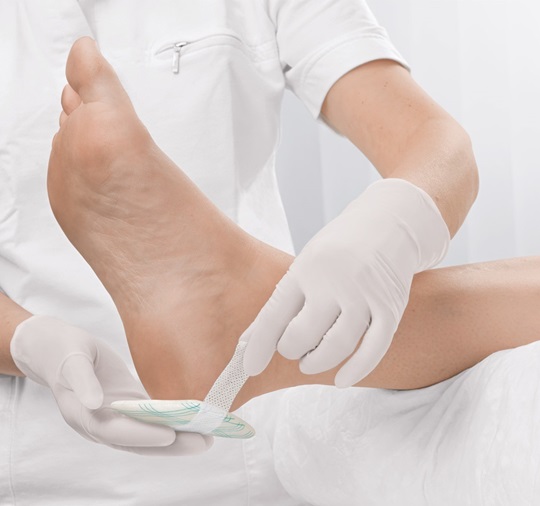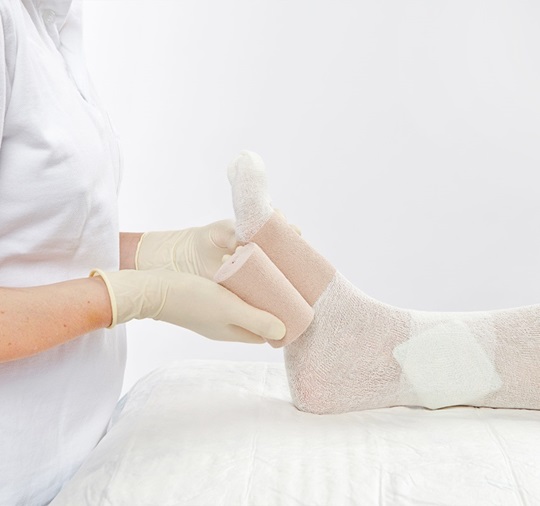
Irrespective of the type of wound and the extent of tissue loss, the wound-healing process takes place in three dynamic stages: the cleansing stage, the granulation phase (tissue formation) and the epithelisation phase (epidermisation). In chronic wounds – ones that show little or no sign of healing, despite appropriate therapy, within an acceptable timeframe - this healthy healing process is disturbed and tissue regeneration is delayed.
Stage 1: Cleansing Phase
Once the initial bleeding stops white blood corpuscles can migrate more easily into the wound as blood vessels dilate and the vascular walls become more permeable. It is their task to defend against infection and to cleanse the wound.
At this stage the priority is to remove avital and necrotic tissues and, to promote wound cleansing, remove bacteria and toxins that could contribute to delayed healing.
Stage 2: Granulation Phase
The tissue from deep defects cannot regenerate so, during this period, a wound defect is filled with new tissues. The Granulation Phase describes the regeneration of tissue, when the wound is filled from the inside.
The priority here is to protect these new tissues and prevent wound desiccation. If the wound dries out, cells die. Permanent levels of hydration maintain the healing process.